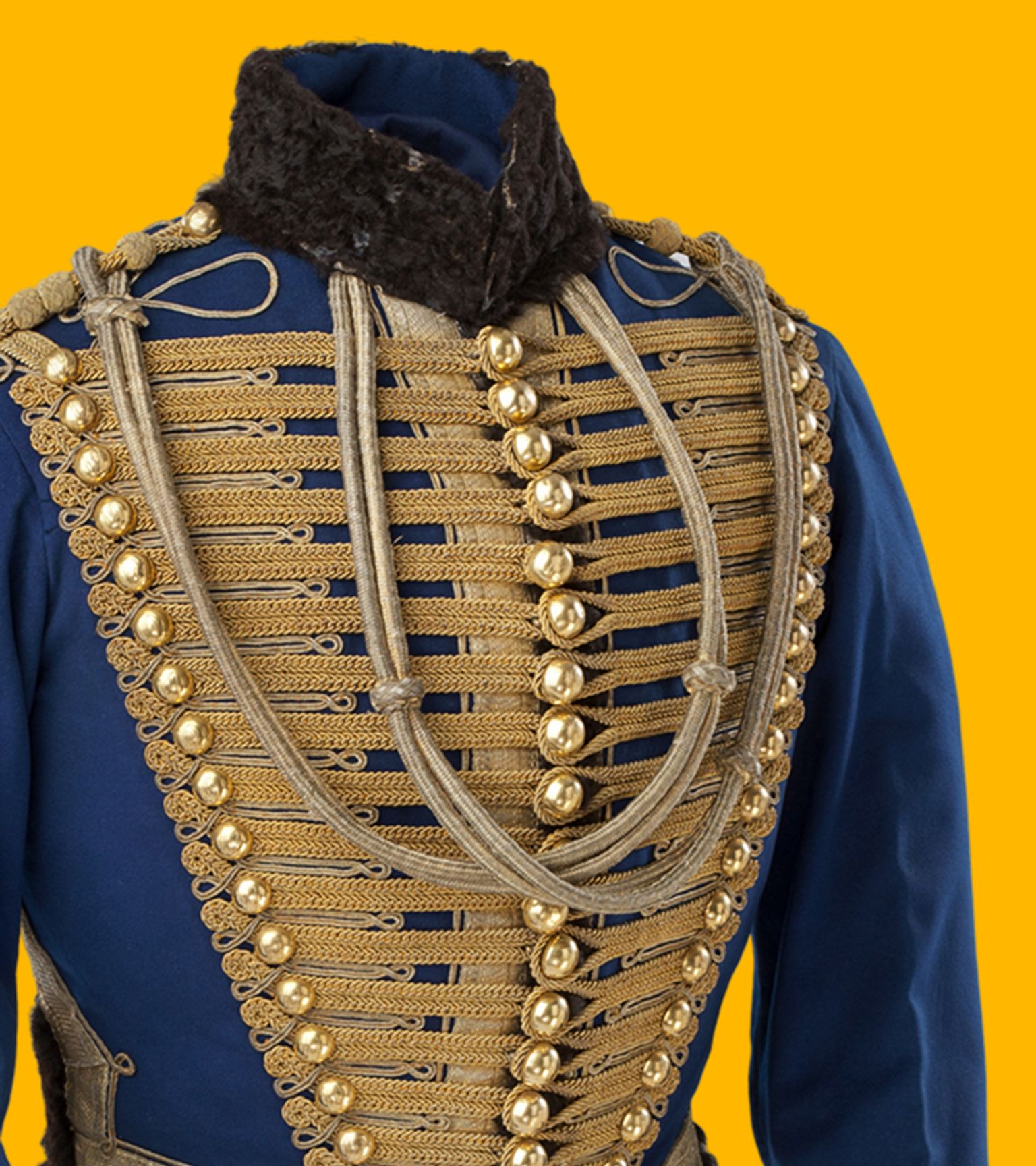
Man has always gone to war. But what makes a warrior? And what does going to war do to man?
The warrior raises his weapon against the enemy. Then the attack begins. In the exhibition Warrior, four different warriors take us on a journey through time and place. Before, during and after battle, we follow a contemporary Danish soldier, a Japanese samurai, a Roman legionnaire and a Sepik warrior from New Guinea on their transformation from human to warrior. The exhibition opens on February 4.
1.
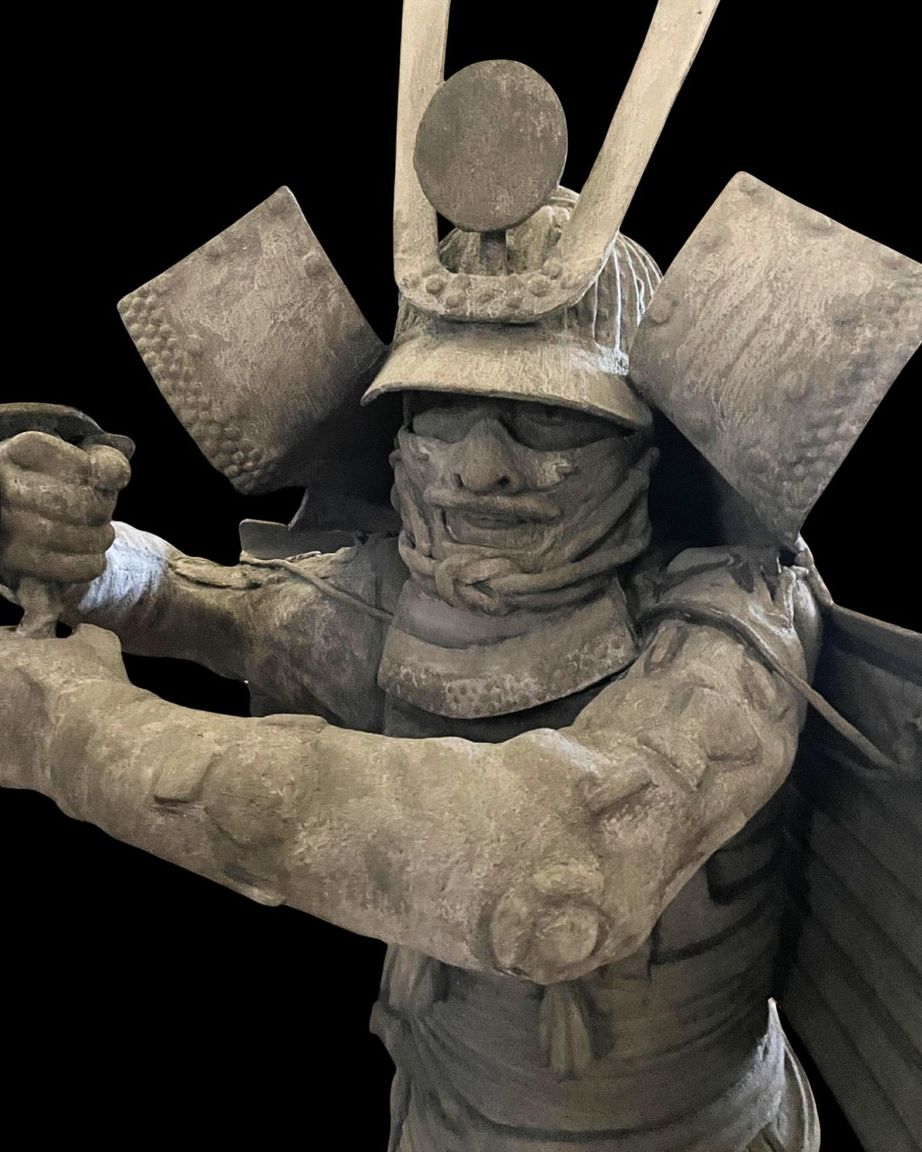
Samurai – born a warrior
Wearing protective armor, the samurai raises his sharp sword, the Katana, against his opponent. Since childhood, he has been trained to become a warrior – first with a wooden sword and later with sharp blades. Honor means everything. If the samurai does well in battle, it brings prestige for generations. If he fails, it brings shame to the family, and the samurai must cut open his stomach and commit seppuku - ritual suicide - to restore honor. In the exhibition 'Warrior' you will meet a samurai from around the year 1600.
2.
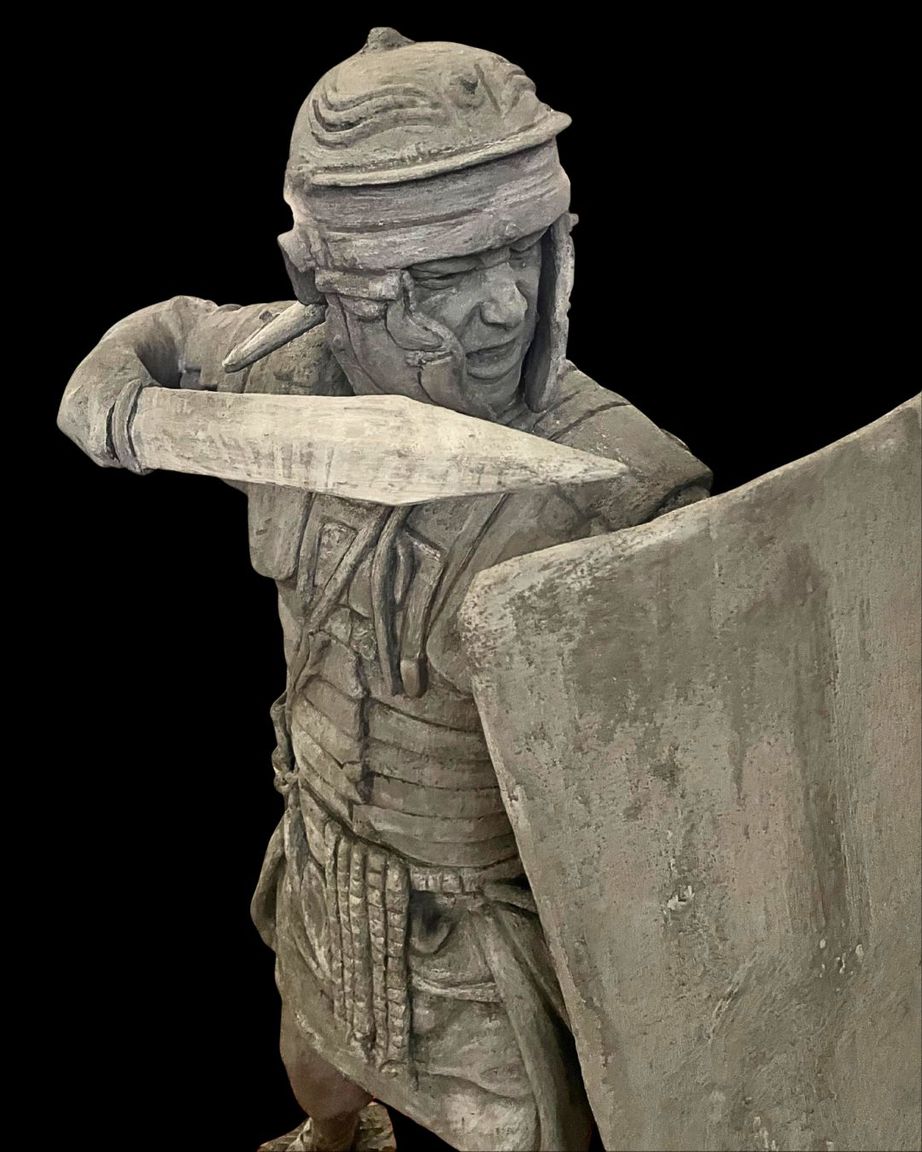
The Roman Legionary – Fighting for the Emperor
Becoming a Roman legionary requires strict discipline and tough physical training. It’s training from morning till night, during which the men must, among other things, march 30 kilometers carrying a 50-kilogram pack. When the warrior training is complete, there is one final, crucial task the legionaries must perform before joining the ranks of the warriors: to swear allegiance to the emperor and, if necessary, fight to the death for the Roman Empire. In the exhibition “Warrior”, you will meet a Roman legionary from around the year 100.
Image gallery
1 / 3
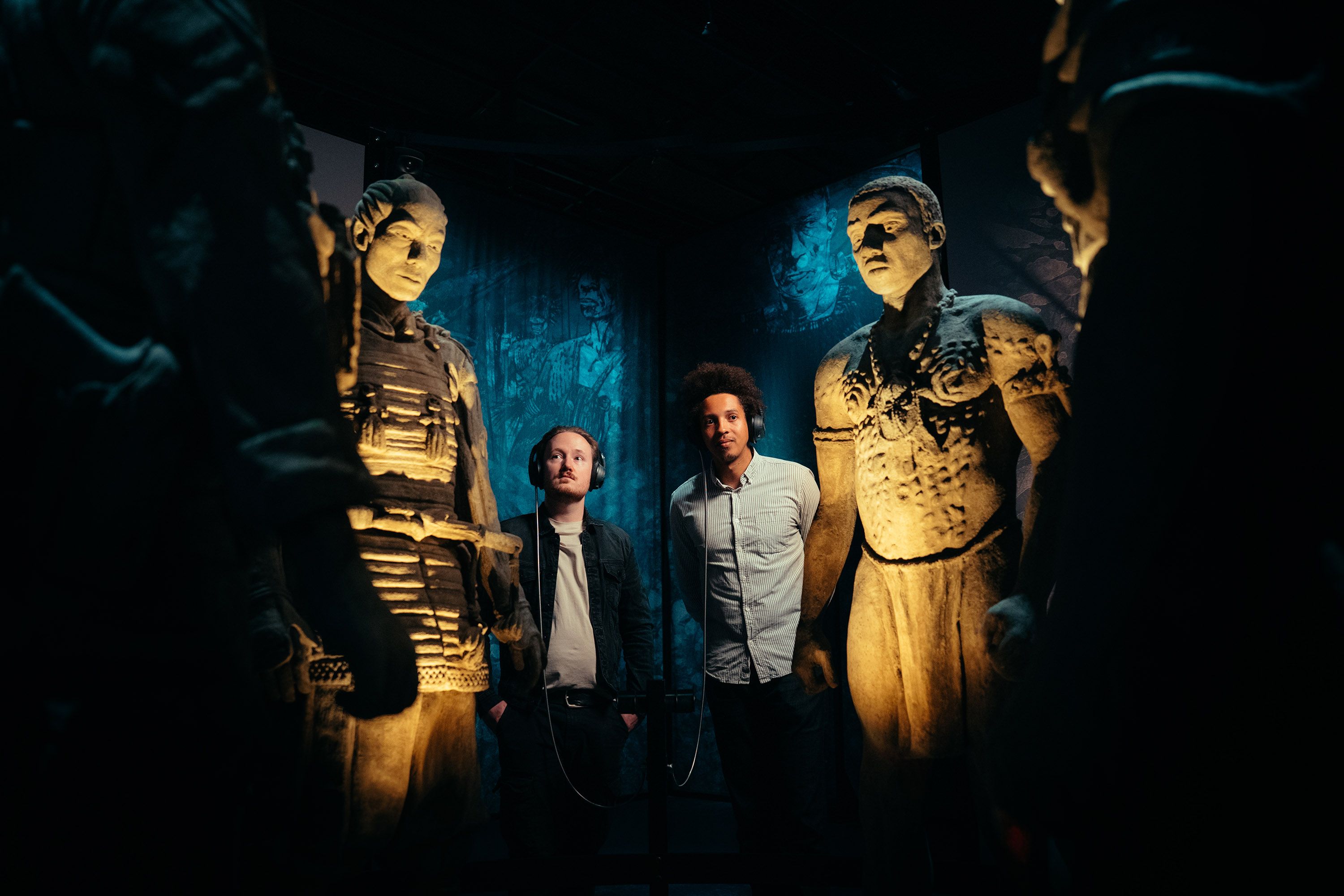
Meet the warrior
What is it like to be a warrior before, during and after battle? Find out more in the Warrior exhibition.
2 / 3
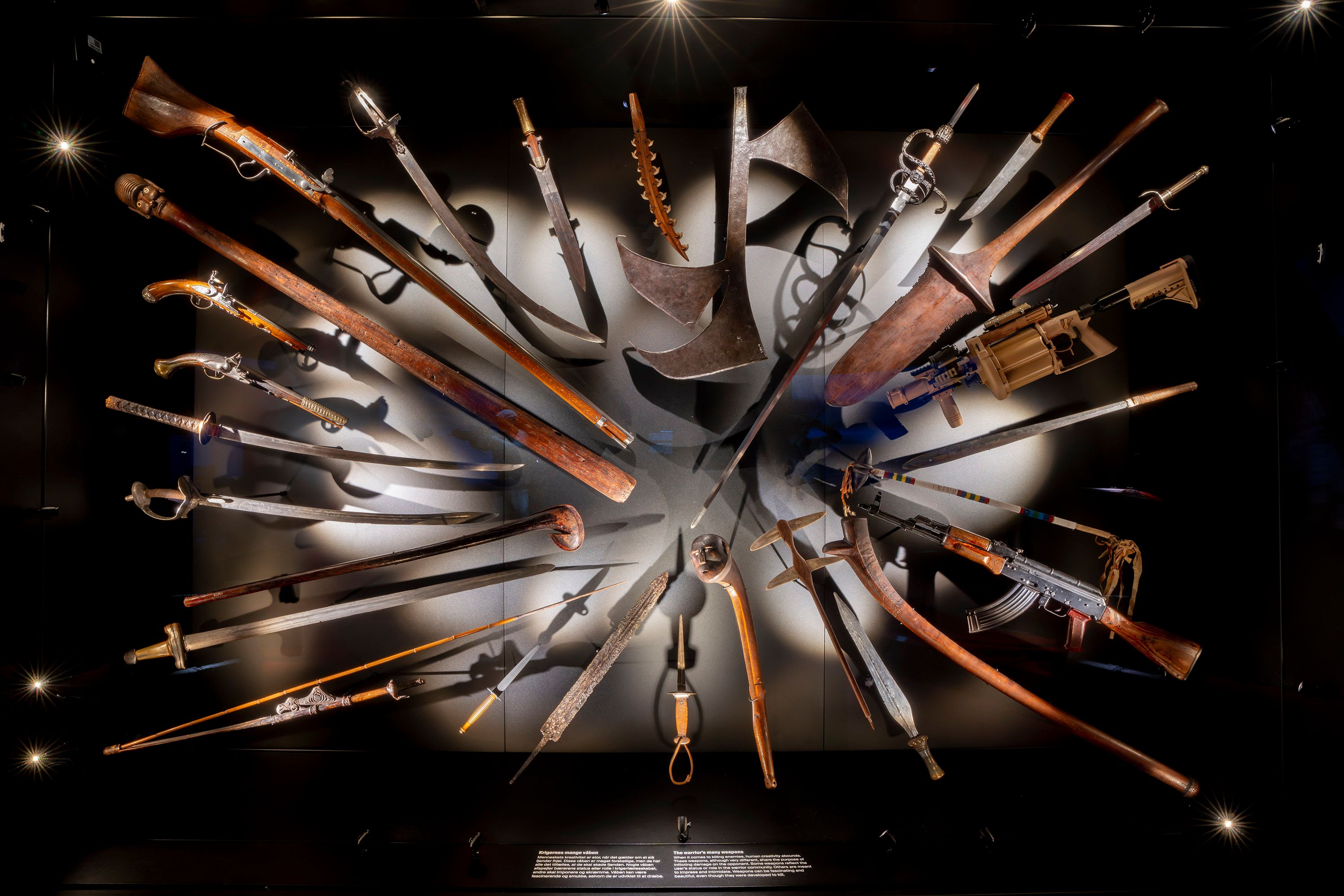
Creative killers
Human creativity has been great when it comes to developing weapons to kill the enemy. See some of them in the Warriors exhibition.
3 / 3
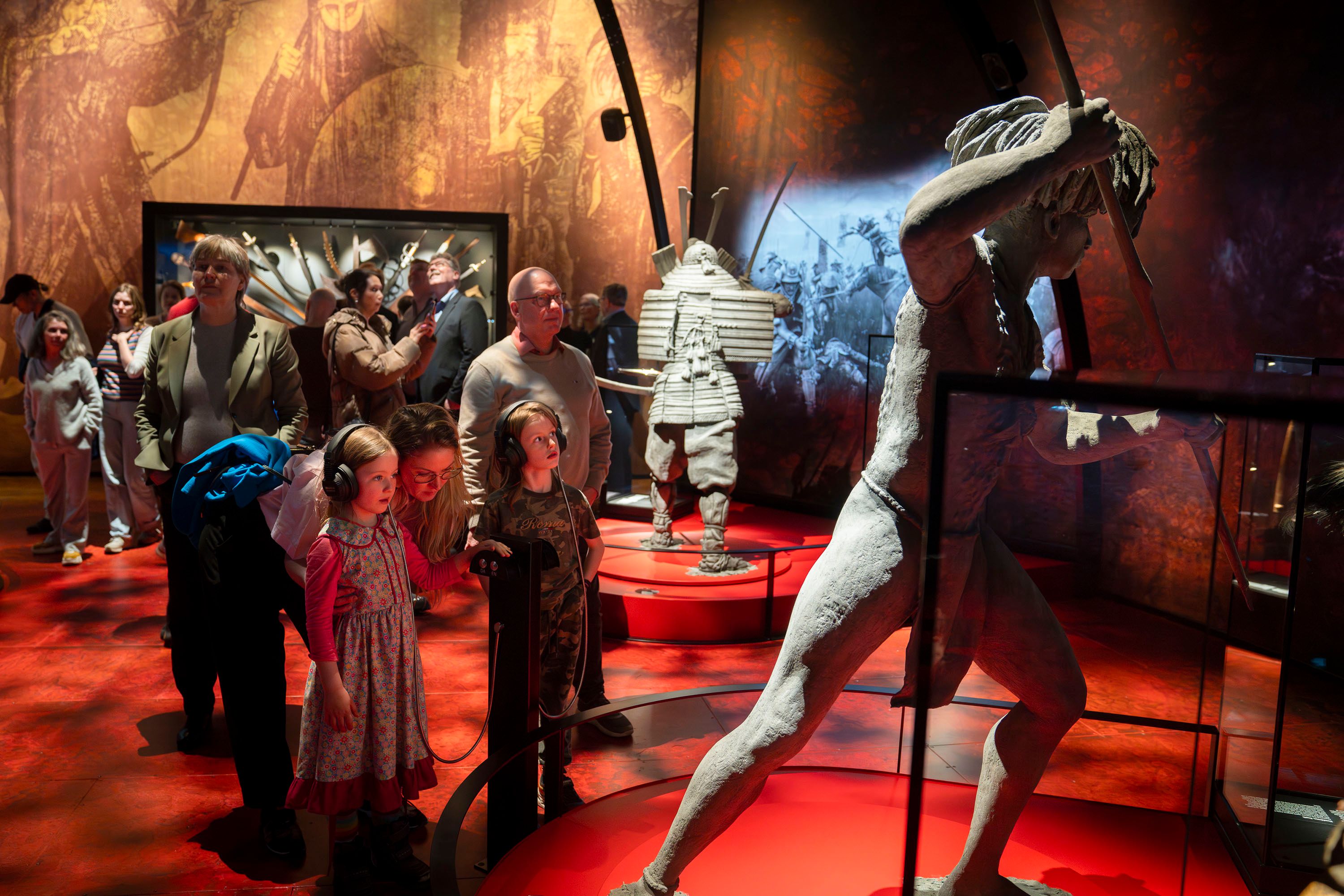
Who can kill?
In most societies, killing is taboo, but that is exactly what we ask the warrior to do. But how does one return to society after taking a life? Get some perspectives in the Warrior exhibition.
3.
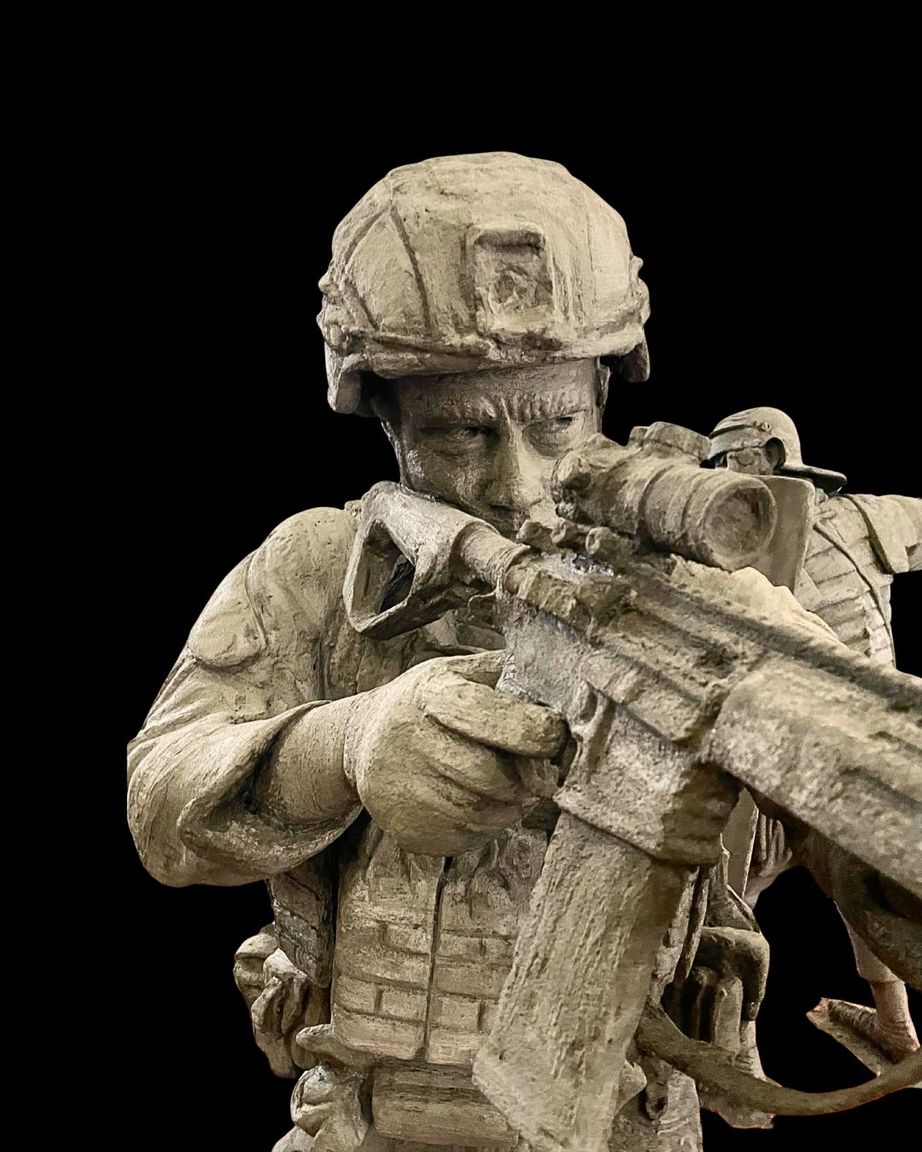
Danish Soldier – A Voluntary Choice
The Danish soldier has voluntarily chosen to go to war. The equipment is top-notch, including a helmet, goggles, and a protective vest with metal plates on the back and chest to guard against flying projectiles and fragments. With the M/10 rifle in hand and the company insignia on their uniform, the soldier is ready to put their rigorous warrior training to the test – now the battle begins. In the exhibition “Warrior”, you will meet a modern Danish soldier.
4.
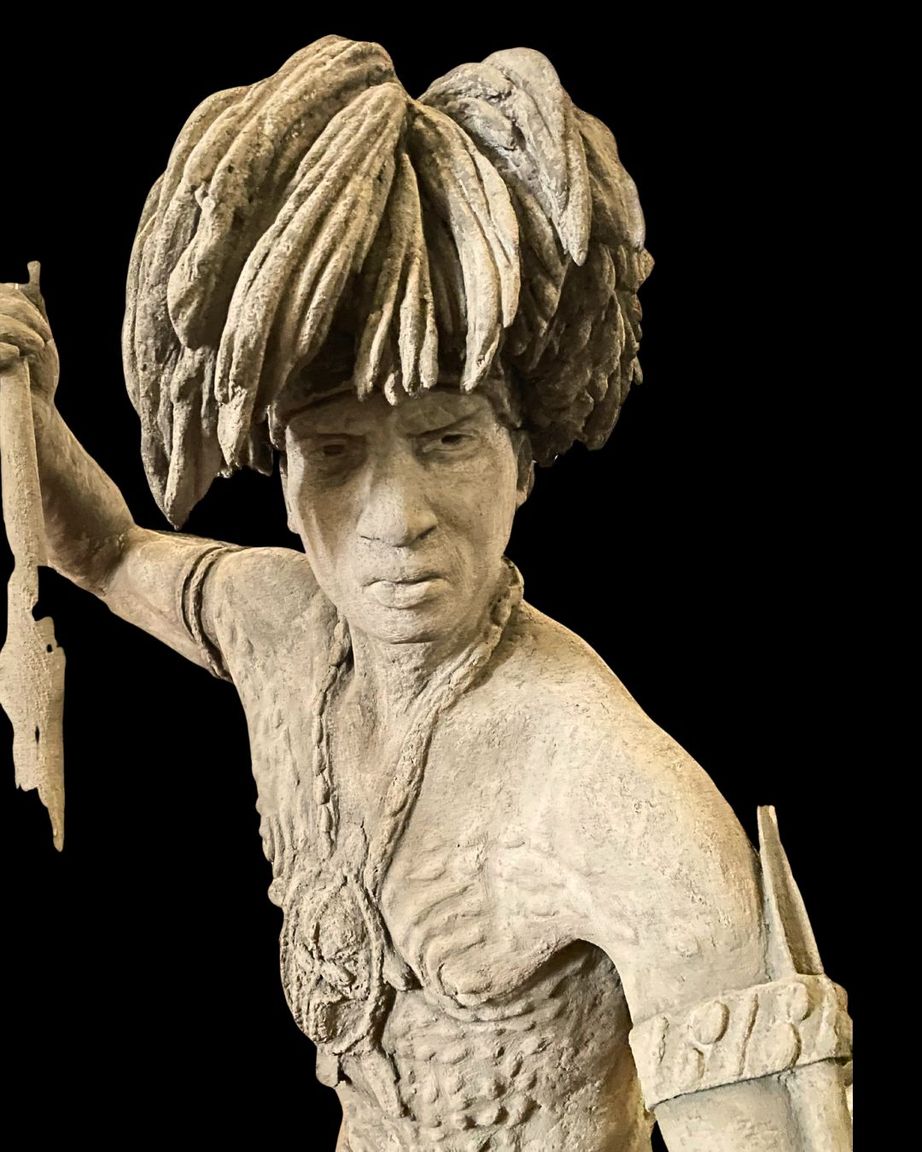
Sepik warrior – Driven by a warrior spirit
From childhood, the warrior spirit is cultivated in the future Sepik warrior. In New Guinea’s Sepik region, war is ritualistic – it is not about politics or conquering land, but about symbolic power. Before battle, the warrior spirits must be summoned to possess the Sepik warrior, who must undergo rituals in order to be able to kill. After the battle, the warrior is beaten with branches by the village women to drive the warrior spirit out again. In the exhibition “Warrior”, you will meet a Sepik warrior from the 1920s.
Death on the Battlefield
What actually happens to a body that gets shot? Watch as forensic expert Peter Juel Thiis Knudsen explains some of the injuries that different projectiles can cause to a warrior’s body.
Image gallery
1 / 4
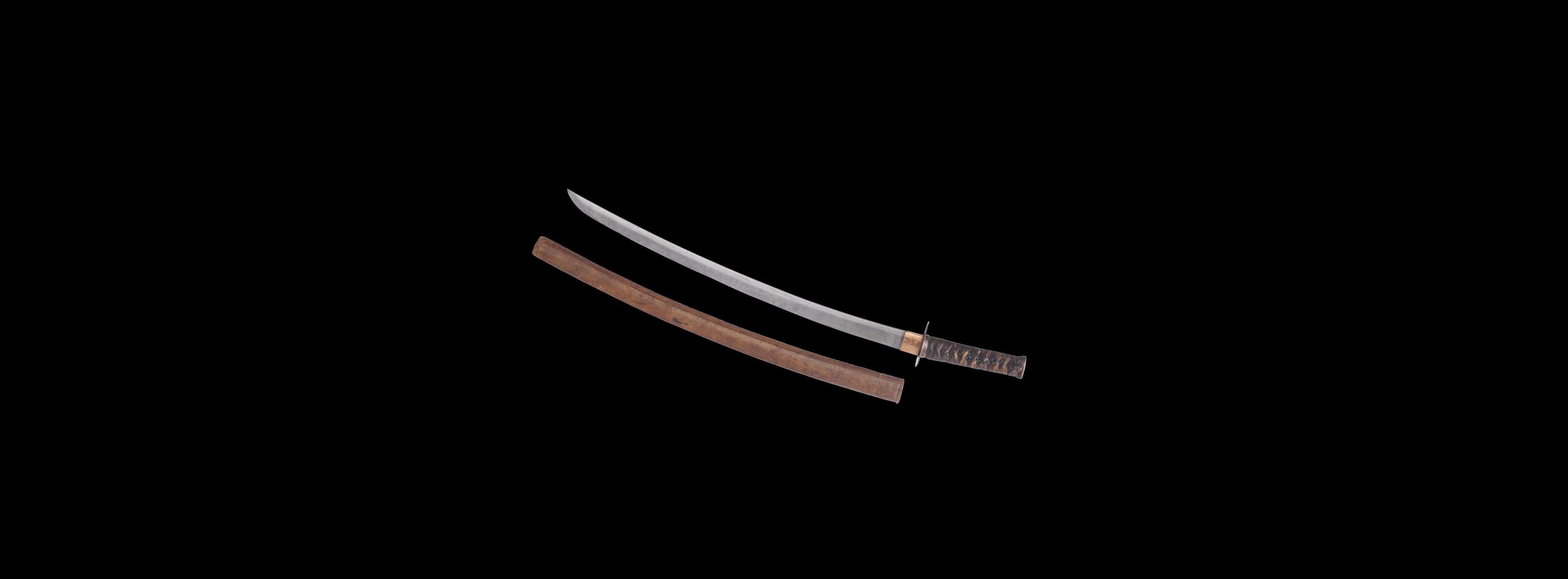
The samurai’s weapon
The katana sword holds great symbolic significance for the samurai. It represents his status and rank, and swords from famous smiths are often passed down through generations or given as rewards. The katana hangs at the belt with the sharp edge facing forward, allowing the samurai to strike down an enemy in a single motion.

2 / 4
The legionary’s weapon
The legionary uses several different weapons in battle. One of them is the dagger, also called the pugio, which is standard equipment for a Roman legionary. It is carried on the left side and can serve both as a stabbing weapon in close combat and as a practical tool in everyday life.

3 / 4
The Danish soldier's weapon
The Danish soldier uses the light machine gun M/60 E6 to gain the upper hand in a firefight. The machine gun can quickly fire a burst of bullets – 500–600 rounds per minute – and is effective at distances of up to 700 meters. The downside is that it is not very accurate.

4 / 4
The Sepik warrior's weapon
The Sepik warrior often carries a dagger made from the thigh bone of the world’s most dangerous bird, the cassowary, or even from human bones! The dagger is used in close combat and has also been used to separate an enemy’s head from the body when it was to be taken home as a trophy.
Image gallery

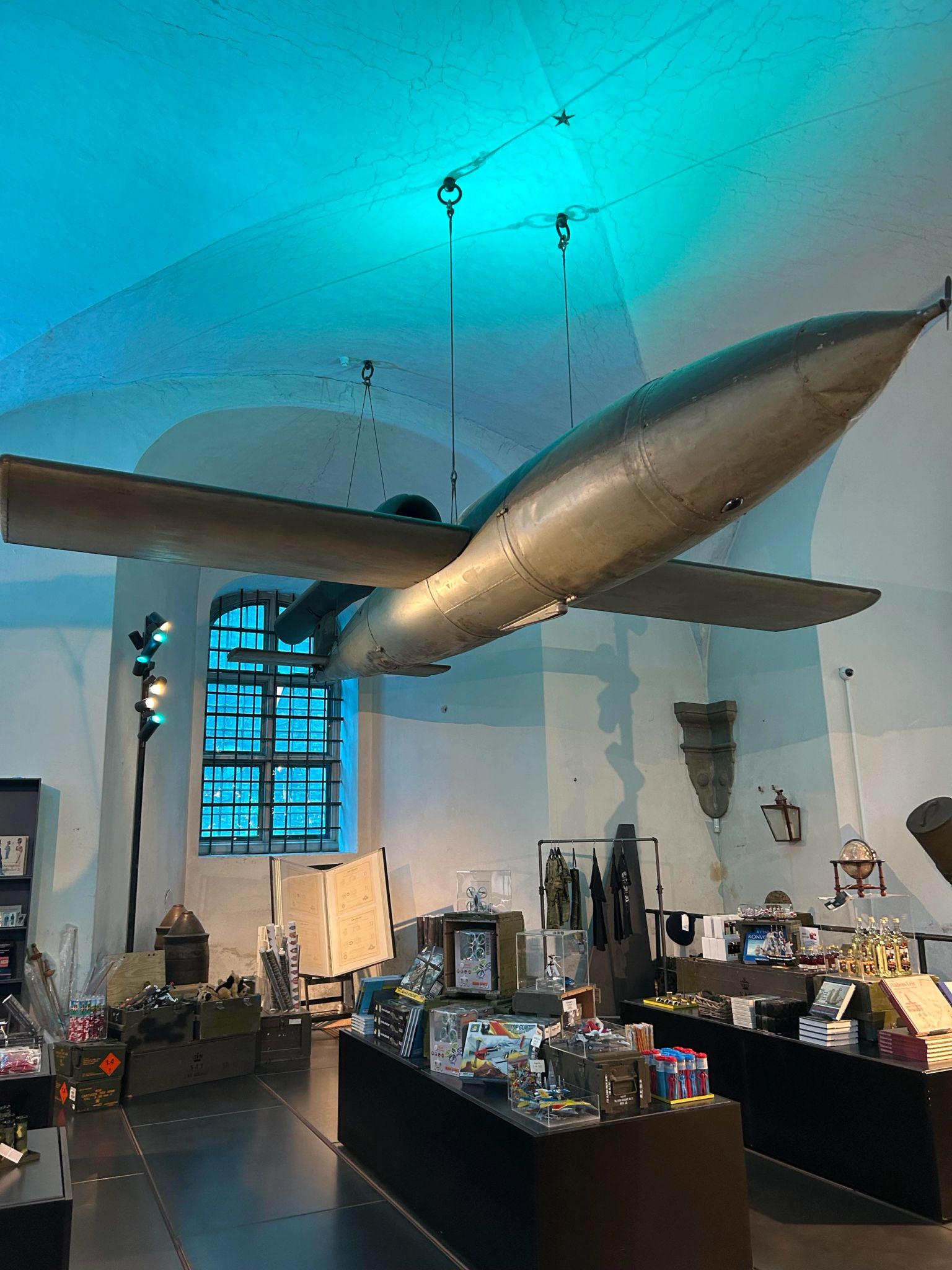
Bring home a piece of history
End your visit to the Danish War Museum in our museum shop. Here you'll find a large selection of historical books, toys and war gadgets. And you can also buy something sweet for the palate or something to drink.